

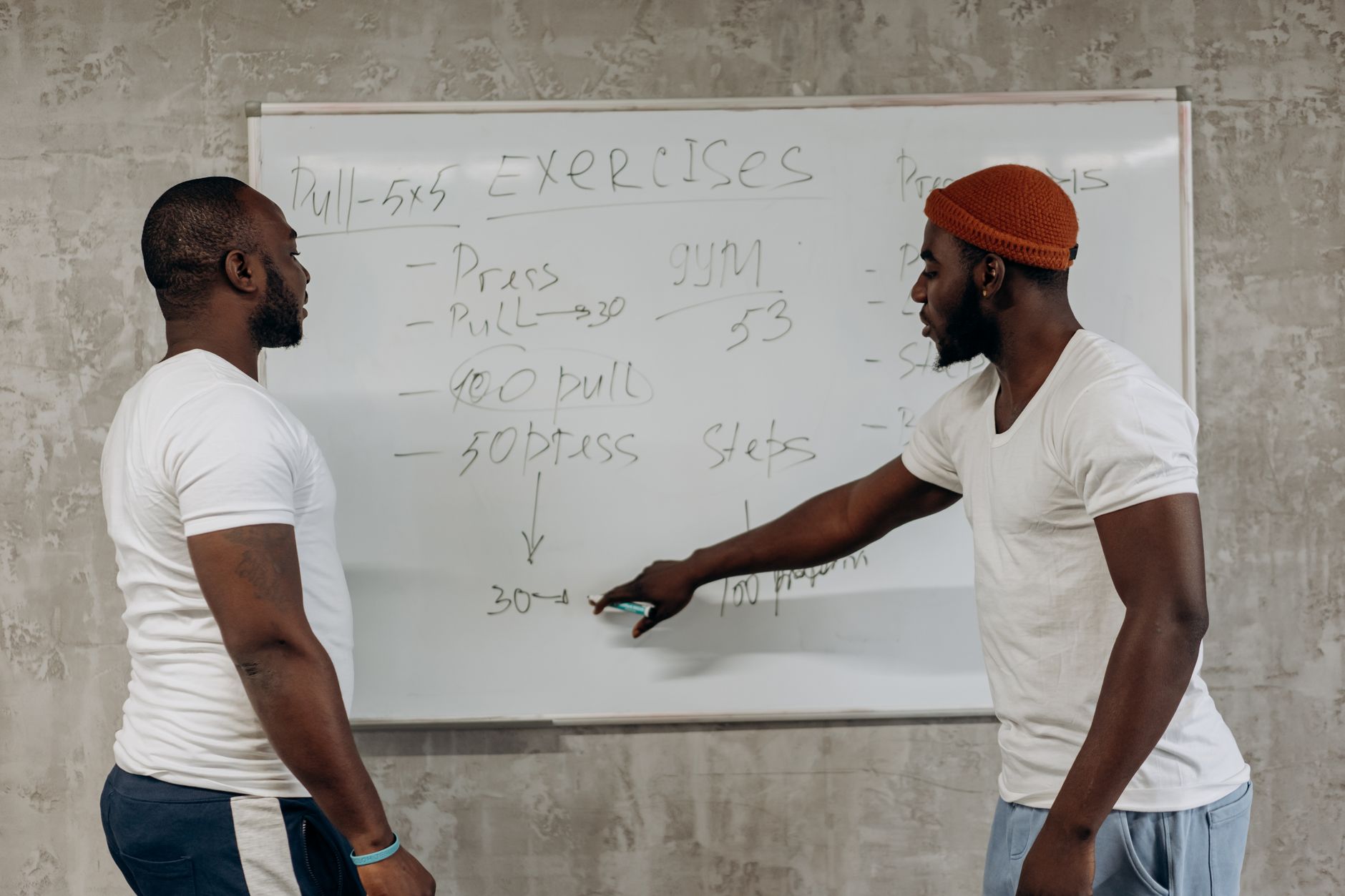
Effective scheduling can significantly impact your fitness coaching business by enhancing client management and time efficiency. By using proven scheduling techniques, you can streamline your coaching process, reduce chaos, and ultimately improve client retention and satisfaction.
What Scheduling Tools Do Fitness Coaches Need?
Fitness coaches can benefit from tools like calendar applications, scheduling software, and communication platforms. Popular choices include apps like Calendly, Google Calendar, and integrated solutions like Teshape, which offer features tailored to the needs of personal trainers.
How Does Scheduling Affect Client Retention?
Properly organized schedules lead to better client experiences, which can improve retention rates. When clients know they can trust their coach to be organized and available as needed, they are more likely to continue their training and engage in long-term fitness journeys.
What Scheduling Techniques Help Maximize Coaching Efficiency?
Utilizing scheduling techniques such as time blocking, batching similar tasks, and setting clear boundaries can help coaches work more efficiently. For example, time blocking allows you to dedicate specific hours to client sessions, administrative tasks, and personal development, improving overall productivity.
How Can I Optimize My Time as a Fitness Coach?
To optimize your time, prioritize tasks based on urgency and importance, and ensure you allocate downtime for yourself. Automated reminders and using scheduling tools can free up valuable time, enabling you to focus on growth activities, like meal planning for clients or enhancing your training techniques.
What Features Should I Look For in Scheduling Software?
When evaluating scheduling software, look for features that include calendar integrations, session reminders, client management dashboards, and communication capabilities (like video reviews). A platform that centralizes all these elements can save you and your clients a lot of hassle.
Is There a Recommended Scheduling Process for Coaches?
Yes, here's a simple, effective scheduling process:
- Identify Your Availability: Determine when you can realistically accommodate client sessions.
- Set Standard Session Lengths: Decide how long each client session will be—a common choice is 60 minutes.
- Use Automated Scheduling Tools: Implement tools that allow clients to book sessions based on your availability.
- Send Reminders: Use a system that automatically reminds clients of upcoming sessions.
- Review and Adjust: Regularly review your schedule to optimize your time and make adjustments.
How Can Communication Impact My Scheduling?
Real-time communication with clients can enhance scheduling by allowing immediate confirmations, modifications, and progress discussions. Utilizing a communication tool integrated with your scheduling software can bridge gaps, ensuring both you and your clients are on the same page.
What Challenges Do Coaches Face With Scheduling?
Common challenges include overlapping appointments, no-shows, and difficulty in managing last-minute cancellations. To mitigate these, establish clear communication, implement cancellation policies, and use scheduling tools that offer flexibility and adaptability.
Incorporating effective scheduling into your fitness coaching practice can not only boost your efficiency but also enhance your relationship with clients. Start by assessing your current scheduling methods and consider adopting a dedicated scheduling tool like Teshape to elevate your coaching game. Take the steps today to transform both your coaching strategy and client satisfaction!
Photo by Mikhail Nilov on Pexels


